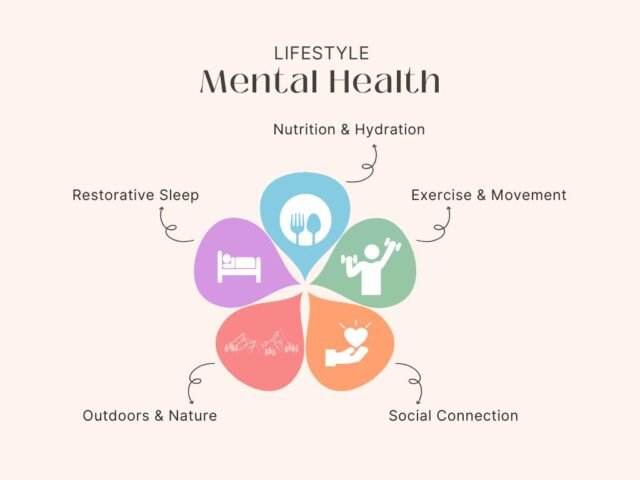
Getting better sleep does not always require a major lifestyle change. Small improvements to your evening routine, bedroom environment, screen habits, and daily schedule can make your nights more consistent and relaxing.
If you often go to bed at different times, use your phone late at night, or find it difficult to switch off after a busy day, building a simple sleep routine can help.
In this guide, we explain how to improve your sleep routine with 10 practical habits that are easy to understand and realistic to follow.
Table of Contents
- 1. Keep a Consistent Sleep Schedule
- 2. Create a Wind-Down Routine
- 3. Reduce Screen Time Before Bed
- 4. Improve Your Sleep Environment
- 5. Watch Your Caffeine Timing
- 6. Avoid Heavy Meals Close to Bedtime
- 7. Stay Active During the Day
- 8. Get Daylight During the Day
- 9. Keep Work and Tasks Out of Bed
- 10. Make Your Routine Realistic
- Example 45-Minute Evening Routine
- Common Sleep Routine Mistakes
- 7-Day Sleep Routine Challenge
- When to Talk to a Healthcare Professional
- Frequently Asked Questions
- Final Thoughts
1. Keep a Consistent Sleep Schedule
One of the simplest ways to improve your sleep routine is to keep your bedtime and wake-up time reasonably consistent.
Try to go to bed and wake up at approximately the same time each day. Your schedule does not have to be perfect, but large changes between weekdays and weekends can make your routine harder to maintain.
If your current schedule is irregular, make gradual changes rather than trying to completely change your bedtime in one night.
A consistent schedule can also make your evening easier because your body and daily routine become more predictable.
2. Create a Wind-Down Routine
Going directly from work, studying, gaming, television, or social media into bed can make it difficult to mentally switch off.
Instead, create a short wind-down period before bedtime.
Your routine could include:
- Preparing clothes for the next day
- Washing your face or taking a shower
- Reading a few pages of a book
- Writing down tomorrow's priorities
- Listening to calm music
- Dimming unnecessary lights
The goal is not to create a complicated routine. Choose a few relaxing activities that you can repeat regularly.
3. Reduce Screen Time Before Bed
Phones and other electronic devices can easily keep you engaged when you should be preparing for sleep.
The CDC includes turning off electronic devices before bedtime as part of healthy sleep habits.
Try creating a simple screen cutoff before bed. Put your phone away, turn off unnecessary notifications, and avoid starting new videos or social-media sessions once your wind-down routine begins.
If reducing screen time is difficult, you may also find our guide useful:
10 Simple Ways to Reduce Screen Time in 2026
You can also read: How to Build a Simple Morning Routine That Actually Works
4. Improve Your Sleep Environment
Your bedroom should feel comfortable and relaxing rather than distracting.
The National Heart, Lung, and Blood Institute recommends keeping the bedroom quiet, cool, and dark as part of healthy sleep habits.
Before going to bed, check:
- Is the room comfortable?
- Is there unnecessary noise?
- Is outside light entering the room?
- Are phone notifications disturbing you?
- Is your pillow comfortable?
- Is the room too warm?
You do not need an expensive bedroom makeover. Small changes can make the environment more comfortable.
Read the NHLBI guide to healthy sleep habits
5. Watch Your Caffeine Timing
Coffee, tea, energy drinks, cola, chocolate, and some other products contain caffeine.
Caffeine is a stimulant and can make it harder for some people to fall asleep when consumed later in the day.
If you have trouble falling asleep, pay attention to when you consume caffeine. Moving caffeinated drinks earlier in the day may help you create a better evening routine.
There is no single schedule that works for everyone, so notice how your body responds.
6. Avoid Heavy Meals Close to Bedtime
Going to bed immediately after a very large meal may feel uncomfortable.
If possible, give yourself some time between a large evening meal and bedtime.
If you are hungry later in the evening, choose an option that feels comfortable for you rather than having a very heavy meal immediately before sleeping.
7. Stay Active During the Day
Regular physical activity can be part of a healthy daily routine and may support better sleep.
You do not need to perform intense workouts every day. Walking, cycling, sports, household activities, or another form of movement can help you stay active.
Choose activities that fit your lifestyle and current fitness level.
8. Get Daylight During the Day
Light is one of the signals involved in your body's sleep-wake rhythm.
When possible, spend some time outdoors during the day. You could take a short walk, sit outside during a break, or simply spend some time in a bright outdoor environment.
Making daylight and daytime activity part of your routine can also help create a clearer difference between daytime and bedtime.
9. Keep Work and Tasks Out of Bed
If possible, avoid turning your bed into a workspace.
Checking emails, finishing work, scrolling through social media, and worrying about tomorrow's tasks can make it harder to mentally switch off.
Before beginning your bedtime routine, try completing a few simple tasks:
- Set tomorrow's alarm
- Prepare clothes for the morning
- Prepare your work or school bag
- Write down unfinished tasks
- Turn off unnecessary notifications
- Put your phone somewhere away from the pillow
Writing down unfinished tasks can also help you avoid repeatedly thinking about them while lying in bed.
10. Make Your Sleep Routine Realistic
The best sleep routine is one you can actually follow.
You do not need a two-hour routine with dozens of steps. A simple routine can be just as useful if you follow it consistently.
For example:
- Finish important tasks for the day.
- Prepare what you need for tomorrow.
- Put unnecessary screens away.
- Wash up and change for bed.
- Read or relax quietly.
- Go to bed at your planned time.
Start with a few habits and add more only if they genuinely help.
Example 45-Minute Evening Routine
Here is a simple example of how you could organize the final part of your evening.
| Time | What to Do |
|---|---|
| 45 minutes before bed | Finish small tasks and prepare for tomorrow |
| 30 minutes before bed | Put unnecessary screens away |
| 20 minutes before bed | Wash up and prepare the bedroom |
| 10 minutes before bed | Read, relax, or write tomorrow's priorities |
| Bedtime | Turn off unnecessary lights and settle down for sleep |
This is only an example. Your routine should fit your work, family responsibilities, and normal schedule.
Common Sleep Routine Mistakes
Even a good plan can become difficult when the routine is too complicated or inconsistent.
- Changing your bedtime dramatically every night
- Scrolling on your phone after getting into bed
- Drinking caffeine late in the day
- Working until the moment you try to sleep
- Keeping the bedroom unnecessarily bright or noisy
- Eating a very heavy meal immediately before bed
- Creating a bedtime routine with too many steps
Try This 7-Day Sleep Routine Challenge
Instead of changing everything at once, try improving one part of your routine each day.
Day 1: Choose Your Schedule
Choose a realistic bedtime and wake-up time that you can maintain.
Day 2: Reduce Evening Screen Time
Set a clear time when unnecessary phone and computer use will stop.
Day 3: Improve Your Bedroom
Reduce unnecessary light and noise and make your sleeping space more comfortable.
Day 4: Review Your Caffeine Habits
Notice when you drink coffee, tea, energy drinks, or other caffeinated products.
Day 5: Add a Wind-Down Activity
Try reading, writing, stretching, or another quiet activity before bed.
Day 6: Prepare for Tomorrow
Prepare clothes, bags, work items, or a short priority list before starting your bedtime routine.
Day 7: Review Your Progress
Think about which habits made your evenings easier. Keep the habits that fit naturally into your life.
When Should You Talk to a Healthcare Professional?
Healthy sleep habits can support a better routine, but they are not a treatment for every sleep problem.
If you regularly have trouble falling asleep, frequently wake during the night, experience significant daytime sleepiness, have concerns about breathing while sleeping, or continue to have sleep problems despite improving your habits, consider speaking with a qualified healthcare professional.
Do not ignore persistent sleep problems simply because you have tried changing your bedtime routine.
Frequently Asked Questions
How can I improve my sleep routine?
Start with a consistent bedtime and wake-up time. Then create a short wind-down routine, reduce unnecessary screen use before bed, and make your bedroom comfortable, quiet, and dark.
How long should a bedtime routine be?
There is no perfect length. A short 30- to 60-minute wind-down period can be a practical option, but choose a routine that fits your schedule.
Should I use my phone before sleeping?
Reducing unnecessary phone and electronic-device use before bedtime can be helpful. Try setting a specific time when you stop scrolling and begin your wind-down routine.
Can caffeine affect sleep?
Yes. Caffeine is a stimulant and may interfere with sleep for some people, particularly when consumed later in the day.
Do I need exactly the same bedtime every night?
Your bedtime does not need to be identical every night, but keeping your sleep and wake schedule reasonably consistent can make it easier to maintain a healthy routine.
What should I do if I still cannot sleep?
If sleep problems continue despite improving your habits, consider speaking with a qualified healthcare professional to discuss the problem.
Final Thoughts
Learning how to improve your sleep routine does not require a perfect evening schedule.
Start with a few simple changes: keep your bedtime reasonably consistent, create a relaxing wind-down period, reduce unnecessary screen use, make your bedroom comfortable, and pay attention to habits such as caffeine and late meals.
The most useful routine is one that fits your lifestyle and is realistic enough to repeat.
If you want to improve your daytime habits too, read: How to Build a Simple Morning Routine That Actually Works .
You can also read: 10 Simple Ways to Reduce Screen Time in 2026 .
For more practical health, lifestyle, technology, and everyday guides, visit WriteHubDaily .
Disclaimer: This article provides general health and lifestyle information for educational purposes only. It is not a substitute for professional medical advice, diagnosis, or treatment. If you have persistent, severe, or unusual sleep problems, speak with a qualified healthcare professional.